Table Of Content
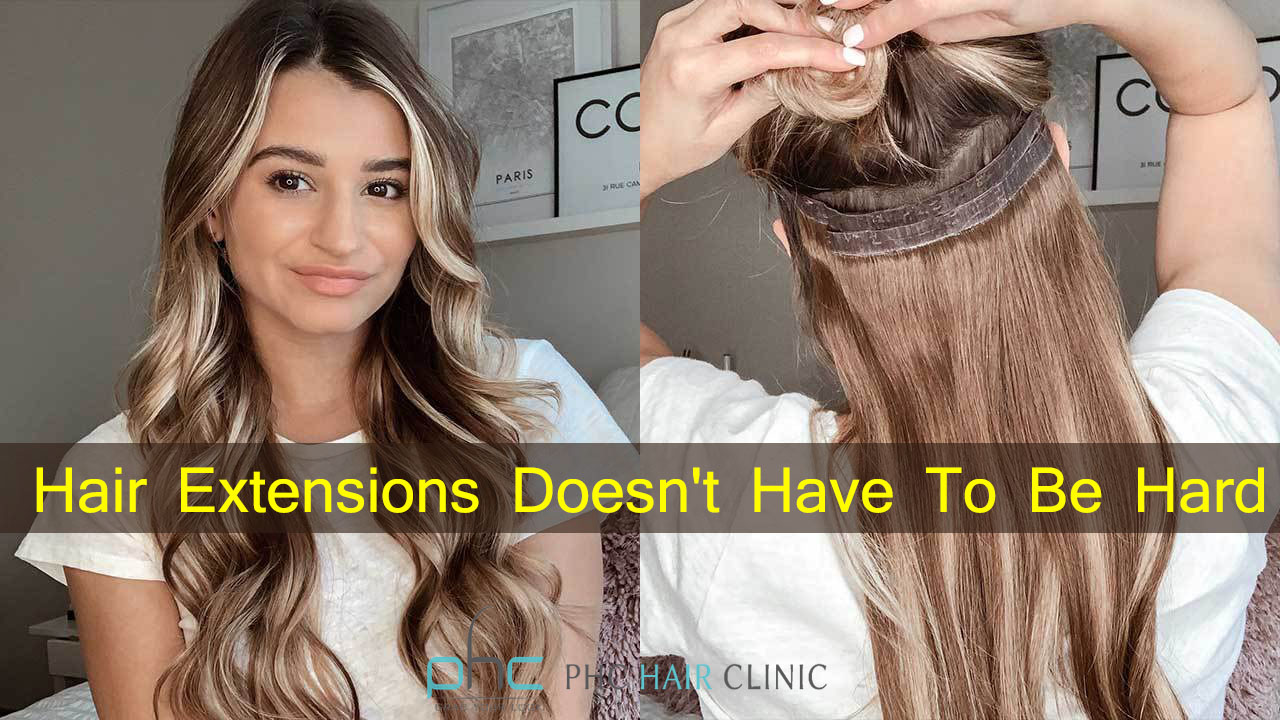
When washing, use sulfate-free and extension-friendly shampoos while avoiding the roots to prevent loosening. After washing, gently squeeze out excess water and apply a lightweight conditioner only on mid-lengths to ends. Lastly, schedule regular maintenance appointments to keep the extensions in top condition.
Color and Texture Matching Tips
Wigs come in many different lengths, colors, and sizes, and are applied to the hair topically. They are designed to cover your entire head and act as a replacement for your own hair. This is a DIY method of hair extensions which means it can be applied by yourself at home. This type of hair extension is ideal if you are experiencing excessive hair loss where you may not have enough hair for any of the other types of hair extension methods to secure on to. Those clips are then snapped open and applied to the roots of your hair and then snapped shut. Each weft is layered beneath your own hair to create an instantly longer and fuller look while remaining completely invisible.
Can people with short hair wear hair extensions?
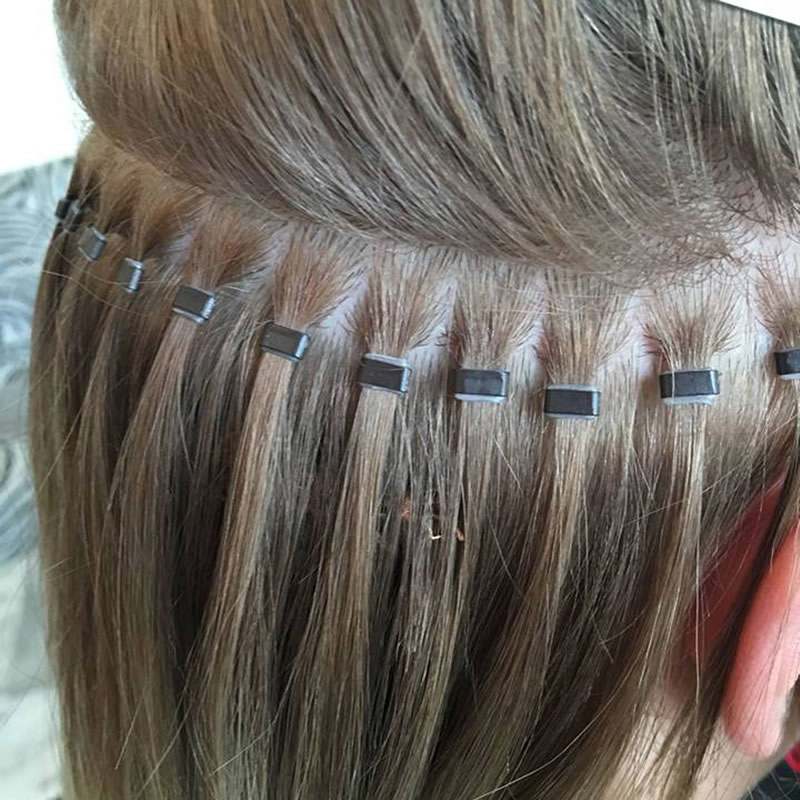
Check out this article for more in-depth information about properly caring for your hair extensions. Sew-in extensions are very durable and practically seamless, meaning it is easy to hide the fact that the extensions are not your natural hair. This type of extension is fairly thin and is applied to hair by literally being sown into a braid on the wearer’s head. A tape-in extension is a panel of hair that has a thin piece of tape adhesive over the cuticle area of the hair.
Zendaya Explains the Difference Between Weaves, Extensions and Wigs - PEOPLE
Zendaya Explains the Difference Between Weaves, Extensions and Wigs.
Posted: Tue, 24 Jan 2017 08:00:00 GMT [source]
Sew-In
As the name suggests, tape-ins are small sections of pre-taped hair extensions, about an inch wide, that are secured throughout the hair. Unlike clip-ins, tape-ins can be left in for four to six weeks, depending on your hair texture. Since no braids are required, tape-ins can offer a flatter and sleeker finished look. "You can put a tape-in like a centimeter from the part and touch the scalp with the extension," Armand says.
How To Get Coconut Oil Out of Hair: 13 Step-by-Step Methods
Lastly, halo extensions are simply placed on the head with the fringe area pulled through your base hair for a quick, non-damaging application. The cost of hair extensions is largely dependent on the type of hair extensions used, the length of the hair, and the method of application. Generally, synthetic hair extensions are less expensive than human hair extensions, but they also look less natural. As discussed earlier, extensions can be applied in a variety of ways, including clip-in extensions, weft hair extensions, and sew-in extensions, so prices will be different. Installing hair extensions can be done either by a professional or by yourself. If you're new to hair extensions, it's recommended to get them installed by a professional to ensure the best results.
If you opt for a home installation, you’ll miss out on the professional customization and expert blending you can only get from a styling Pro. Think of halos as a sort of cross between a weave and a wig, combining some of the best features of each. They’re simple to install, require no heat or trips to a salon, and can be seamlessly brushed into your natural hair.
Ultimately, properly maintained hair extensions can give you the luscious locks you’ve always wished for. If you’d like to add that boost in length or volume but are worried your hair is too thin or fragile for extensions, don’t worry! Almost all hair types can work with extensions, but be sure you know which types will work best with your unique locks. Remy hair is the highest quality extension available, but it’s also the most expensive and hardest to find. Because of Remy hair’s rigorous quality standards, its availability is highly limited, making it potentially cost-prohibitive or totally unavailable to many people. However, there are several other general hair extension categories outlined below that can fit virtually any budget or styling need.
A flat track will sit a little flatter than a weave, as no bulky braids are used. You will still need to return to your hairdresser to have them removed and put back in after six to eight weeks. Halo extensions are made up of a small, circular piece of hair that is attached to a small metal ring. The ring is then attached to the hair extension strands, and the halo hair extension is then placed around the head like a halo. Halo extensions are often made from human hair, and they can be easily removed and replaced.
This time frame depends largely on the care you give your hair extension and whether you use a moisturizer. Extensions that are not cared for properly can lose their color, become brittle and break off. The length of time extensions will last varies from person to person and according to the hair type. The average length depends on whether you wash your hair daily or less often and how frequently you remove these extensions. Wash your hair once every three days to minimize the buildup of product on your extensions, and try to wash them more often during warmer seasons. They can be used to cover any hair loss area such as baldness, receding hairlines, thinning hairline, etc.
There are various types of extensions available in the market, but we will discuss the most popular ones in-depth. When searching for the right hair extension color, keep an eye out for the product descriptions as they'll typically make note of what undertones are included in the hair. You can also play the name game as oftentimes companies will use similar terminology when defining warm, cool, and neutral colors. To select the right weight for your hair type, you need to first determine what your own hair thickness is (thin, medium, or thick).
There’s no easy choice that will be right for everyone, but we’ve put together a few key considerations below that should help you pick the type that will take your hair to a whole new level. Installation can take up to an hour or more, but they can also stay in for several weeks at a time before needing to be repositioned by your hairstylist. They’re also a little easier on your hair, making them a better choice of extensions for hair that’s damaged or a little on the thin side. You’ll just want to attach them close to the root to keep them secure and well-blended. You should always choose hair extensions that are two to four inches shorter than your current hair length.
Typically used for people with thicker hair, sew-in extensions, also known as weaves, involve braiding the natural hair into a cornrow, and then a weft of hair is sewn into the braid. Hair extensions are additional hair, either synthetic or real, that is attached to one’s hair to create volume and length or simply to give a different style or look. It’s a popular hair technique that has gained momentum in the beauty industry worldwide. As a general guideline, more temporary types like sew-ins, glue-ins, and tape-ins can stay in place for about one to two months.


No comments:
Post a Comment